Gooliez
Apprentice elf
Hi guys,
So I'm looking into Xlights trying to set some things up before my electrical side of things arrived. I've ordered some 100 node strings from "Paul Zheng"
now i have a few questions if you have the time to answer.
1. Say i have a 50 node display and i have the 100 node cables, Can i just cut the wire where i need and seal the end or does the line have to be cut at specific spots?
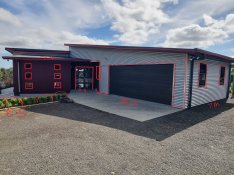
2. I'm looking at the Falcon F16 controller, It's a top line controller from what i see, however I'm wondering if it's the right choice for me. for starters i want to just do one side of the house. In the picture below i've added where i'd like to start with the lights and distances. if i put the F16 in the middle somewhere i will have to run a lot of the extension cables to get to what i want to do and network them all back to my main Ubiquiti Network setup. Cat 6 cable seems a lot cheaper somehow than the 3 core flat ribbon.
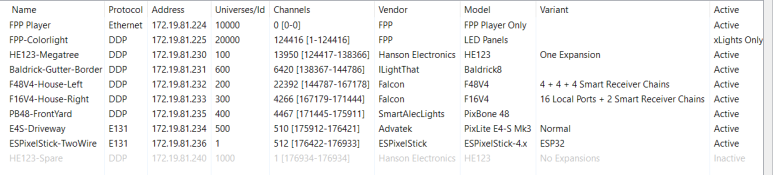
other option is I use multiple smaller controllers say 2 x Baldrick 8 port Pixels and run them back to the switch or can you daisy chain them? looks like they only have 1 network port from what i can see.
3. If going down the multiple controller route, when i do a scan on the controllers section of Xlights, is it just as simple setup as using 1 controller? do you have any issues if you mixed brands later down the track?
4. Currently playing with Xlights, I'll be looking at arches. I've had a quick google and cant seem to find the answer. I'll be having about 6 Arches across the front near the box hedges. from what i can see, you can daisy chain them, say 100 nodes over say 4 arches or should i do individual runs?
I'm sure i will have tonnes more questions, but i'll pop them in an appropriate thread when I come across them
Thanks !
So I'm looking into Xlights trying to set some things up before my electrical side of things arrived. I've ordered some 100 node strings from "Paul Zheng"
now i have a few questions if you have the time to answer.
1. Say i have a 50 node display and i have the 100 node cables, Can i just cut the wire where i need and seal the end or does the line have to be cut at specific spots?
2. I'm looking at the Falcon F16 controller, It's a top line controller from what i see, however I'm wondering if it's the right choice for me. for starters i want to just do one side of the house. In the picture below i've added where i'd like to start with the lights and distances. if i put the F16 in the middle somewhere i will have to run a lot of the extension cables to get to what i want to do and network them all back to my main Ubiquiti Network setup. Cat 6 cable seems a lot cheaper somehow than the 3 core flat ribbon.
other option is I use multiple smaller controllers say 2 x Baldrick 8 port Pixels and run them back to the switch or can you daisy chain them? looks like they only have 1 network port from what i can see.
3. If going down the multiple controller route, when i do a scan on the controllers section of Xlights, is it just as simple setup as using 1 controller? do you have any issues if you mixed brands later down the track?
4. Currently playing with Xlights, I'll be looking at arches. I've had a quick google and cant seem to find the answer. I'll be having about 6 Arches across the front near the box hedges. from what i can see, you can daisy chain them, say 100 nodes over say 4 arches or should i do individual runs?
I'm sure i will have tonnes more questions, but i'll pop them in an appropriate thread when I come across them
Thanks !